

PCOS - Wokingham, Berkshire
Acupuncture and Chinese herbal medicine for polycystic ovary syndrome (PCOS) at my clinic in Wokingham, Berkshire. Patients travel from across Berkshire and the Thames Valley — Reading, Henley, Maidenhead, Bracknell, Crowthorne and beyond — for evidence-based traditional Chinese medicine combining acupuncture, Chinese herbs, cupping and moxibustion. Over 25 years of clinical experience treating polycystic ovary syndrome (PCOS) with a personalised TCM approach.
On this page
- What is PCOS?
- Symptoms of PCOS
- How is PCOS diagnosed?
- How common is PCOS?
- What causes PCOS?
- PCOS subtypes and phenotypes
- Health risks associated with PCOS
- PCOS in traditional Chinese medicine
- Acupuncture for PCOS
- Chinese herbal medicine for PCOS
- PCOS and fertility — how to get pregnant with PCOS
- Why ovulation breaks down in PCOS
- Confirming whether you ovulate
- Diet to support the return of ovulation
- Inositol and supplements
- Exercise, weight, stress, sleep, endocrine disruptors
- Acupuncture for PCOS ovulation
- Chinese herbal medicine — cycle-phase protocol
- Conventional ovulation induction
- Realistic timeline
- Diet and lifestyle for PCOS
- Commonly asked questions about PCOS
- My Fertility Guide
- References
1. What is PCOS?
Polycystic ovary syndrome (PCOS) is one of the most common hormonal disorders affecting women of reproductive age. It is characterised by a combination of hormonal imbalances, disrupted ovulation and, in many cases, the presence of multiple small follicles (sometimes called cysts) on the ovaries — though the name is somewhat misleading, as these are not true cysts but undeveloped follicles that have failed to mature and release an egg.
The European (Rotterdam) diagnostic criteria for PCOS requires the presence of at least two of the following three features: elevated androgen levels (particularly testosterone); oligo-ovulation or anovulation (irregular or absent ovulation); and polycystic ovarian morphology on ultrasound (12 or more follicles measuring 2–9mm per ovary, or an ovarian volume greater than 10ml). In the United States, some diagnostic frameworks do not require polycystic ovarian morphology, which is worth noting if you encounter different definitions elsewhere.
PCOS is not a single, uniform condition — it presents very differently between individuals, and the dominant hormonal pattern varies considerably depending on a woman's body type, diet, lifestyle and genetic background. Effective treatment therefore requires a thorough individual assessment rather than a one-size-fits-all approach.
I have extensive experience seeing patients with PCOS using acupuncture and Chinese herbal medicine — a natural PCOS treatment approach that supports hormone balance, reduces androgen excess, improves insulin sensitivity and supports the return of regular ovulation without the side effects of pharmaceutical management. I help women regulate their cycles, support the return of ovulation, improve their hormonal profile and conceive. I practise at clinics in Wokingham, Berkshire, and offer online herbal consultations for patients who cannot attend in person.
2. Symptoms of PCOS
PCOS symptoms typically begin at or around puberty and can vary considerably in severity from woman to woman. Women with polycystic ovarian syndrome may experience some or many of the following:
- Irregular periods — cycles that are longer than 35 days, highly variable in length, or absent altogether (amenorrhoea)
- Anovulation — failure to ovulate regularly, which is the primary cause of PCOS-related infertility
- Elevated testosterone and androgens — higher than normal levels of male hormones including testosterone, androstenedione and DHEAS
- Hirsutism — excess hair growth on the face, chest, abdomen or back due to elevated androgens
- Alopecia — male-pattern hair thinning or loss on the scalp
- Acne — particularly along the jawline and chin, driven by elevated androgens
- Insulin resistance — the body's cells becoming less responsive to insulin, leading to elevated blood glucose and compensatory high insulin levels
- Weight gain or difficulty losing weight — particularly around the abdomen; present in approximately 40–50% of women with PCOS
- Elevated LH levels — present in around 40% of women with PCOS, particularly those who are lean
- Reduced SHBG levels — sex hormone-binding globulin, which normally binds testosterone and reduces its activity, is lower in women with PCOS
- Elevated prolactin — higher than normal prolactin levels are found in some women with PCOS
- Elevated AMH levels — anti-Müllerian hormone is typically elevated in PCOS because of the large number of small antral follicles present
- Anxiety and depression — significantly more common in women with PCOS than in the general population
- Dysmenorrhoea — painful periods when they do occur
- Reduced blood flow to the uterus — impacting endometrial receptivity and fertility
- High blood pressure — more common in women with PCOS, particularly those with insulin resistance
3. How is PCOS diagnosed?
PCOS is diagnosed based on clinical history, blood tests and pelvic ultrasound. Because of the variation in how PCOS presents, diagnosis requires careful assessment rather than relying on a single test result.
The main investigations used to diagnose PCOS include:
- Pelvic ultrasound — used to visualise the ovaries and assess for polycystic morphology (multiple small follicles). An MRI provides a more detailed image and is considered more accurate than ultrasound in difficult cases. If follicles are smaller than 5cm in diameter, surgery is generally not recommended; larger cysts that obstruct fertility may require removal.
- Blood tests for hormones — measuring levels of testosterone, androstenedione, SHBG, LH, FSH, AMH, prolactin and insulin-like growth factor (IGF)-I. In lean women with PCOS, elevated LH (above 10 IU/L, measured around day 8 of the cycle) is commonly found. In overweight women, elevated insulin (hyperinsulinaemia) and testosterone are more characteristic. Insulin resistance can also be assessed through a fasting insulin test or an HOMA-IR score.
- Progesterone blood test — a progesterone level measured seven days before the expected end of the cycle (typically day 21 of a 28-day cycle) can confirm whether ovulation has occurred. A low progesterone level suggests anovulation.
- Mid-cycle ultrasound — tracking follicular development by ultrasound can confirm whether a dominant follicle is developing and whether ovulation is occurring.
4. How common is PCOS?
PCOS is the most common endocrine disorder in women of reproductive age, affecting approximately 5–15% of women worldwide depending on the diagnostic criteria used. In the UK, it is estimated to affect around one in five women.
Among women presenting for fertility treatment, the prevalence is considerably higher. Approximately 34% of women undergoing IVF are found to have polycystic ovaries (PCO) — the presence of multiple follicles on the ovaries, which may or may not be accompanied by the hormonal abnormalities that define full PCOS. These multiple follicles are mainly undeveloped follicles that have failed to mature and release an egg.
In women who do not ovulate, PCOS accounts for approximately 50% of all cases of anovulation. Asian women have a higher prevalence of PCOS and insulin resistance than women of European descent, and often present with a leaner phenotype despite significant metabolic dysfunction.
5. What causes PCOS?
The precise cause of PCOS is not fully understood in western medicine, and it is likely that the condition arises from an interaction between genetic predisposition and environmental and lifestyle factors. The two main hormonal mechanisms that drive PCOS are hyperandrogenaemia (elevated androgens) and hyperinsulinaemia (elevated insulin), and these are interconnected. Women with PCOS have measurably higher circulating levels of BPA and other endocrine-disrupting chemicals than women without PCOS, and these chemicals both worsen insulin resistance and contribute to the hormonal picture of the condition.
In lean women with PCOS, elevated LH is often the primary driver — high LH stimulates the ovarian theca cells to produce excess androgens (particularly testosterone and androstenedione), which impairs follicular development and prevents the dominant follicle from maturing and ovulating. In overweight or obese women, insulin resistance is more commonly the primary mechanism. High insulin levels stimulate the ovaries to produce excess androgens independently of LH, and also reduce hepatic production of SHBG, further increasing the level of biologically active free testosterone.
Western medicine also recognises that excess meat consumption can increase levels of insulin-like growth factor (IGF)-I, which further stimulates androgen production and follicular proliferation. It is not advisable for women with PCOS to take DHEA supplements, as DHEA is a precursor to testosterone and can worsen the androgenic component of the condition.
In traditional Chinese medicine, the causes of PCOS are understood as follows:
- Poor diet — excessive consumption of damp and phlegm-producing foods (refined carbohydrates, sugar, dairy, processed foods) leading to the accumulation of damp and phlegm in the body
- Lack of exercise — sedentary lifestyle increases the accumulation of damp and phlegm
- Emotional stress — causing Liver qi stagnation and disruption of the smooth flow of qi and blood
- Overwork — depleting Kidney yin and overall constitution
- Long-term oral contraceptive pill use — which in TCM can cause yin excess and suppression of the natural hormonal cycle
- Excessive consumption of red and white meat — increasing damp-heat and androgen-like excess within the body
6. PCOS subtypes and phenotypes
PCOS is not a single condition — it is a heterogeneous syndrome with several distinct presentations, each driven by different underlying mechanisms. Understanding which subtype of PCOS a patient has matters clinically, because the most effective combination of dietary, lifestyle, supplement and TCM support differs by subtype. This is one of the areas where TCM excels, because pattern diagnosis has always approached PCOS as an individualised picture rather than a single condition.
The four Rotterdam phenotypes
The Rotterdam criteria (the most widely used diagnostic framework, summarised in section 3 above) allow for four different phenotypes based on the presence or absence of three features: irregular or absent ovulation, elevated androgens, and polycystic ovarian morphology on ultrasound. Diagnosis requires at least two of the three features — which means women with PCOS can have quite different symptom profiles:
- Phenotype A (classic PCOS) — all three features present. The most severe form, typically associated with significant insulin resistance, high androgens, and anovulation.
- Phenotype B — irregular ovulation and elevated androgens, but no polycystic morphology on ultrasound. Metabolic features similar to Phenotype A.
- Phenotype C (ovulatory PCOS) — elevated androgens and polycystic morphology, but regular ovulation. Often the mildest presentation; fertility may be preserved.
- Phenotype D (non-androgenic PCOS) — irregular ovulation and polycystic morphology, but normal androgens. Often associated with hypothalamic dysfunction rather than insulin resistance.
Insulin-resistant PCOS
The most common type, affecting the majority of women with Phenotypes A and B. Insulin resistance drives excess androgen production in the ovaries, disrupts follicular development, and prevents regular ovulation. It is associated with weight gain, acne, hirsutism, and a tendency towards blood sugar dysregulation. In TCM, this maps closely to Kidney yang deficiency with phlegm-dampness — insufficient metabolic energy combined with the accumulation of dampness, the TCM equivalent of insulin resistance and metabolic sluggishness. Treatment focuses on warming Kidney yang, resolving phlegm-dampness, and strengthening the Spleen.
Adrenal PCOS
In approximately 20–30% of women with PCOS, elevated androgens originate primarily from the adrenal glands rather than the ovaries — this is often triggered or exacerbated by chronic stress. Elevated DHEA-S (the adrenal androgen marker) is the distinguishing feature. In TCM, this pattern involves Kidney yin deficiency with empty heat — the adrenal stress response depletes yin, generating heat that produces the androgen excess. Managing stress and nourishing Kidney yin are central to this subtype.
Post-pill PCOS
Some women develop PCOS-like symptoms after stopping the combined pill — irregular cycles, elevated androgens, and polycystic morphology on ultrasound. This often resolves within 3–6 months as the HPO axis re-establishes itself, and may not represent true PCOS. See post-pill amenorrhoea for more detail.
Inflammatory PCOS
Chronic low-grade inflammation drives androgen production and impairs follicular development in some women. Elevated inflammatory markers (CRP, white cell count) and symptoms including fatigue, headaches, and bowel irregularity alongside the PCOS features suggest this pattern. In TCM, damp-heat in the lower jiao is the closest equivalent.
In clinical practice these subtypes overlap. Because each PCOS subtype has a distinct underlying pattern, treatment is always individualised after full assessment. Acupuncture is used in clinical practice across all subtypes — it regulates the HPO axis, supports ovulation, and improves insulin sensitivity. Chinese herbal medicine is prescribed based on the specific pattern, with Kidney yang tonics and phlegm-resolving herbs for the most common insulin-resistant subtype, and Kidney yin-nourishing formulas for adrenal and inflammatory subtypes. Diet and lifestyle modification is tailored to the underlying mechanism. For practical strategies for conception with PCOS see how to get pregnant with PCOS.
7. Health risks associated with PCOS
PCOS is not only a reproductive condition — it is associated with a range of significant long-term health risks that go beyond fertility, and these should be discussed with a doctor or specialist as part of ongoing management.
- Type 2 diabetes — women with PCOS and insulin resistance are at significantly increased risk of developing type 2 diabetes, particularly if overweight. Regular monitoring of blood glucose and insulin levels is important.
- Cardiovascular disease — elevated androgens, insulin resistance, dyslipidaemia and hypertension all contribute to an increased cardiovascular risk profile in women with PCOS.
- Endometrial hyperplasia and cancer — chronic anovulation means the uterine lining is continually exposed to oestrogen without the protective effect of progesterone (which is only produced following ovulation). Over time, this can lead to overgrowth of the endometrium and, in some cases, endometrial cancer.
- Miscarriage — women with PCOS have an increased risk of spontaneous miscarriage. In TCM, this increased risk is attributed to the obstruction of qi and blood to the uterus caused by damp and blood stasis — the same underlying pathology that drives PCOS itself.
- Sleep apnoea — more common in women with PCOS, particularly those who are overweight.
- Mental health — anxiety, depression and reduced quality of life are significantly more prevalent in women with PCOS than in the general population, and should be actively addressed as part of a comprehensive treatment plan.
- Increased risk of autism in offspring — research has shown that children born to mothers with PCOS have a higher incidence of autism spectrum disorder, which has been linked to higher than normal testosterone levels during pregnancy. These elevated testosterone levels are also associated with decreased oxytocin levels, which is implicated in the social communication difficulties seen in autism.
8. PCOS in traditional Chinese medicine
In traditional Chinese medicine (TCM), PCOS is primarily understood as a condition of damp and phlegm accumulation combined with qi and blood stagnation, often with an underlying Kidney deficiency and Liver qi stagnation. The multiple undeveloped follicles characteristic of PCOS correspond in TCM to an accumulation of phlegm and damp in the lower jiao (the lower abdominal region), which obstructs the free development and release of the egg from the ovary.
In TCM, excess testosterone is understood as too much yang — an excessive activating and heat-generating force — which causes accelerated, uncontrolled follicular growth rather than the orderly development of a single dominant follicle. The excessive oestrogen produced by the multiple follicles corresponds in TCM to an excess of yin substance accumulating in the uterus, which over time can overstimulate and over-enlarge the uterine lining.
Most women with PCOS present with a combination of the following TCM patterns:
- Kidney yang deficiency with damp-phlegm — insufficient warming energy in the reproductive system leads to the accumulation of cold damp and phlegm, which obstructs ovulation. This pattern is more common in women with oligomenorrhoea (infrequent periods), a tendency to feel cold, fatigue, weight gain and pale complexion.
- Liver qi stagnation with blood stasis — stress and emotional tension cause stagnation of Liver qi, which in turn leads to blood stasis in the uterus and impairs the smooth regulation of the menstrual cycle and ovulation. This pattern is more common in women who experience significant premenstrual tension, breast tenderness, irritability and irregular cycles.
- Damp-heat accumulation — dietary excess of damp and heat-producing foods leads to the accumulation of damp-heat in the lower jiao, driving androgen excess and follicular proliferation. This pattern is more common in women with acne, hirsutism, heavier body build and a tendency to excess heat.
- Spleen and Kidney deficiency — weakness of the Spleen's transformative function (often driven by poor diet and overwork) leads to the accumulation of damp, while Kidney deficiency underlies the constitutional weakness of reproductive function. This is often the root pattern beneath more complex presentations.
9. Acupuncture for PCOS
Acupuncture is an used as a complementary therapy for PCOS, with a substantial body of research supporting its use — much of it conducted by the internationally recognised researcher Dr Elisabet Stener-Victorin and her team at the Karolinska Institute in Sweden. Acupuncture addresses PCOS through several well-documented mechanisms.
Regulating the hormonal axis
Acupuncture stimulates specific points that influence the hypothalamic-pituitary-ovarian (HPO) axis — the hormonal cascade that governs the menstrual cycle. It promotes the release of beta-endorphin in the brain, which modulates the release of GnRH (gonadotropin-releasing hormone) from the hypothalamus, FSH and LH from the pituitary gland, and oestrogen and progesterone from the ovary. This regulatory effect helps to restore more normal hormonal balance, reducing the LH:FSH ratio that is often elevated in PCOS and lowering excess testosterone levels.
Reducing sympathetic nervous system activity
Research has shown that PCOS is associated with increased sympathetic nervous system tone, which contributes to elevated androgen production in the ovaries. Both needle acupuncture and electroacupuncture have been shown to significantly reduce sympathetic nerve activity, thereby reducing ovarian androgen production and improving the hormonal environment for ovulation.
Improving insulin sensitivity
Research has demonstrated that acupuncture can improve insulin sensitivity and reduce fasting insulin levels in women with PCOS. By regulating insulin, acupuncture reduces the insulin-driven stimulation of ovarian androgen production — one of the primary hormonal drivers of the condition — thereby improving the overall PCOS hormonal profile without the gastrointestinal side effects associated with metformin.
Restoring ovulation
By reducing sympathetic nerve activity, regulating the HPO axis and improving insulin and androgen levels, acupuncture has been shown in clinical trials to stimulate ovulation in women with PCOS. Research by Stener-Victorin and colleagues demonstrated that women who received electro-acupuncture had significantly improved ovulation rates and were more likely to conceive compared with control groups. Acupuncture has also been shown to reduce the number of ovarian cysts, regulate the menstrual cycle and improve blastocyst implantation rates.
Regulating AMH levels
In women with PCOS, AMH levels are typically elevated above the normal range because of the large number of small antral follicles. Research has shown that acupuncture can reduce AMH levels in women with PCOS, normalising ovarian function and improving the hormonal environment for ovulation and conception.
Improving blood flow to the uterus
Acupuncture has been shown to increase blood flow to the uterus and ovaries, improving endometrial receptivity and supporting implantation. This is particularly relevant for women with PCOS undergoing IVF, where endometrial quality and receptivity are critical factors in treatment success.
Supporting weight management
For women with PCOS who are overweight, weight loss of even 5–10% of body weight can significantly improve hormonal balance, support the return of ovulation and improve fertility. Acupuncture supports weight management by improving metabolism, reducing stress-related eating and improving digestive function. Research has also shown that acupuncture can reduce leptin levels and modify appetite regulation, supporting sustainable weight management alongside dietary changes.
10. Chinese herbal medicine for PCOS
Chinese herbal medicine used in conjunction with acupuncture is more effective for PCOS than acupuncture alone, as herbs can directly address the accumulation of damp, phlegm and blood stasis that drives the condition at a deeper level. I prescribe bespoke herbal formulas for each patient based on their individual pattern of imbalance.
Herbal formulas for PCOS typically combine herbs that resolve damp and phlegm — directly addressing the undeveloped follicles — with herbs that invigorate blood and regulate qi, and herbs that tonify the Kidney and Spleen to address the underlying constitutional weakness. The specific formula varies considerably depending on whether the dominant pattern is damp-phlegm with Kidney yang deficiency, damp-heat with androgen excess, or Liver qi stagnation with blood stasis.
The classical Chinese herbal formula Wen Jing Tang has been studied in research and shown to improve ovarian function and regulate hormonal levels in women with PCOS. Research by Ushiroyama et al. (2006) found that women with PCOS who switched to Wen Jing Tang after not responding to other herbal formulas experienced significant improvements in endocrinological status and ovulation induction.
Research by Gui et al. (1997) demonstrated that kidney-tonifying herbs can regulate the pituitary-ovarian-adrenal axis in women with androgen-driven ovarian dysfunction — directly addressing one of the core hormonal mechanisms of PCOS.
In addition to herbal formulas, nutritional supplementation can complement treatment. Biotin supports insulin regulation; myo-inositol (a B-complex vitamin) has been shown in research to improve egg maturation and insulin sensitivity in women with PCOS and is a valuable addition to treatment — though, as it lowers androgens, it should only be used where testosterone is confirmed high. I discuss supplementation at the initial consultation based on each patient's specific profile.
Maitake mushroom (Grifola frondosa) is a medicinal mushroom with growing research support in PCOS. Its SX-fraction (a beta-glucan complex) improves insulin sensitivity, which in turn reduces the insulin-driven ovarian androgen production that perpetuates PCOS. A clinical study by Chen et al. (2010) found that the maitake SX-fraction induced ovulation in women with PCOS at a rate comparable to clomiphene citrate, and that combining the two restored ovulation in some women who had not responded to clomiphene alone. In TCM terms, maitake is a Spleen-tonifying, damp-resolving food — directly addressing the damp-phlegm accumulation that underlies PCOS — which makes it a natural fit alongside Chinese herbal treatment. Maitake can be eaten as a culinary mushroom or taken as a standardised supplement; I advise on the appropriate form and dose at consultation.
11. PCOS and fertility — how to get pregnant with PCOS
PCOS is one of the most common causes of female infertility, primarily through its disruption of regular ovulation. It is also one of the most treatable forms of sub-fertility — many women with PCOS conceive once ovulation is restored. The key fertility goals in PCOS treatment are: restoring regular ovulation; regulating the menstrual cycle and improving the quality of the follicular and luteal phases; improving egg quality; reducing elevated AMH and normalising ovarian function; improving endometrial receptivity and blood flow to the uterus; and reducing the elevated risk of miscarriage in PCOS pregnancies.
Why ovulation breaks down in PCOS
In a normal cycle, several antral follicles begin to develop each month and one becomes dominant, growing to roughly 20 mm before the LH surge triggers ovulation around day 14. In PCOS, multiple small antral follicles begin to develop but none reaches dominance, the LH surge never fires, and the cycle either becomes very long (35–90+ days), is missed entirely (secondary amenorrhoea), or produces irregular breakthrough bleeding without a true period. The mechanisms (covered in detail in sections 5–6 above) are: insulin resistance, elevated androgens, an elevated LH:FSH ratio, phlegm-damp accumulation in TCM terms, high AMH suppressing FSH-driven follicle selection, and chronic low-grade inflammation.
Confirming whether you ovulate
A monthly bleed does not confirm ovulation in PCOS — anovulatory cycles can still produce bleeding that looks like a period. Before designing any conception plan, you need to know whether (and when) you are ovulating. The methods I use clinically:
- Basal body temperature (BBT) charting — a sustained rise of 0.3–0.5°C for 12+ days post-ovulation confirms it. Use a precision (two-decimal-place) thermometer; take the temperature on waking, before getting out of bed.
- Cervical mucus tracking — fertile mucus (clear, slippery, stretchy egg-white) appears around ovulation. See the cervical mucus and fertility guide.
- Ovulation predictor kits (OPKs) — detect the LH surge 24–36 hours before ovulation. Important caveat in PCOS: many women have chronically elevated baseline LH that produces false-positive OPKs. Interpret with care and ideally cross-check against BBT or a progesterone test.
- Day-21 (or 7 days post-ovulation) progesterone blood test — a level above 30 nmol/L confirms ovulation. In long PCOS cycles you need to time the test 7 days after suspected ovulation, not on day 21 of the calendar cycle.
- Ultrasound monitoring — fertility-clinic transvaginal scans through the cycle identify dominant follicle development and ovulation directly. This is the gold standard but requires clinic involvement.
Diet to support the return of ovulation
Diet is the single most powerful lifestyle lever for restoring ovulation in PCOS — reducing insulin spikes directly lowers androgens. The full dietary framework is covered in section 12 below. Key principles for the fertility window specifically:
- Low-glycaemic-load diet — build meals around protein, healthy fat and fibre. Avoid refined carbohydrates and sugar.
- Adequate protein at every meal (25–40 g) — supports satiety, blood sugar and follicular development.
- 30+ g fibre per day — supports insulin sensitivity, oestrogen clearance and the gut microbiome.
- Mediterranean-style anti-inflammatory pattern — oily fish, leafy greens, olive oil, nuts, legumes, berries.
- Time-restricted eating — 12–14 hour overnight fast helps insulin sensitivity in many.
- Eliminate ultra-processed food, sugary drinks and refined sugar; reduce alcohol.
Inositol and supplements with supportive evidence
- Myo-inositol + d-chiro-inositol (40:1 ratio, 4 g myo + 100 mg d-chiro per day) — the strongest single supplement evidence for restoring ovulation and improving egg quality in PCOS. Effects typically seen within 3 cycles. Considered first-line for ovulation support.
- NAC (N-acetylcysteine, 600–1,800 mg/day) — reduces insulin resistance and inflammation.
- CoQ10 (ubiquinol, 200–600 mg/day) — supports egg quality, particularly in women aged 35+ or with poor ovarian response.
- Vitamin D3 (1,000–4,000 IU) — deficiency is widespread in PCOS and worsens insulin resistance and follicle development.
- Methylfolate (400–800 mcg/day) — essential preconception.
- Omega-3 (1,000+ mg combined EPA/DHA) — reduces inflammation and modestly improves androgen profile.
- Berberine (500 mg 3x/day) — improves insulin sensitivity, pharmacologically similar to metformin in some studies.
- Magnesium glycinate, zinc, chromium, B-complex — supportive of insulin sensitivity and androgen balance.
- Spearmint tea (twice daily) — modestly lowers androgens and helps hirsutism.
- Vitamin B12 and B-complex — particularly if taking metformin (which can deplete B12).
Discuss any combination of supplements with your doctor or fertility specialist, particularly if you are taking medication.
Exercise, weight, stress, sleep and endocrine disruptors
- Strength training 2–3 times a week — the highest-leverage exercise for insulin sensitivity in PCOS.
- Daily walking — 7,000–10,000 steps; improves insulin sensitivity and reduces stress.
- Moderate aerobic exercise 2–3 times a week; avoid excessive HIIT (can raise cortisol and worsen the picture in already-stressed women).
- If overweight, loss of 5–10% of body weight has been reported to support the return of ovulation in many women with PCOS. Healthy-weight women still benefit from insulin-sensitising measures even without weight loss.
- Stress management — chronic stress raises cortisol, worsens insulin resistance and disrupts ovulation. Daily stress management (meditation, breathwork, yoga) is important.
- Sleep 7–9 hours — short sleep and shift work both worsen insulin resistance and hyperandrogenism.
- Minimise endocrine disruptors — BPA in plastics, phthalates in cosmetics, parabens in skincare have been linked with worse PCOS outcomes.
Acupuncture for PCOS ovulation
The general acupuncture mechanisms in PCOS are covered in section 9 above. For ovulation induction specifically, the typical protocol in my clinic is weekly acupuncture for 3–4 months, with 2–3 additional sessions around expected ovulation in cycles where ovulation has been triggered. Core points include CV 4, CV 6, ST 29, SP 6, SP 8, LR 3 and KI 3, with low-frequency electroacupuncture across abdominal points in many protocols. Stener-Victorin and colleagues reported in a series of Swedish trials that low-frequency electroacupuncture was associated with significant improvements in ovulation frequency and reductions in androgens in women with PCOS. Acupuncture is used as a complementary therapy alongside — not instead of — conventional fertility care.
Chinese herbal medicine — cycle-phase protocol
Cycle-phase herbal protocols are particularly useful in PCOS fertility support. The general structure I use in clinic:
- Bleeding / early follicular phase — phlegm-transforming and blood-moving formulas (modified Cang Fu Dao Tan Tang) to clear the picture.
- Follicular phase — Kidney yin and blood tonics (modified Liu Wei Di Huang Wan, Si Wu Tang) to nourish the developing follicle.
- Ovulatory window — qi-moving and yang-warming herbs (Chai Hu, Xiang Fu, Yi Mu Cao with Yin Yang Huo or Tu Si Zi) to support the LH surge and follicle rupture.
- Luteal phase — Kidney yang and Spleen qi tonics (You Gui Wan, modified Bu Zhong Yi Qi Tang) to support the corpus luteum.
Workhorse PCOS formulas in my clinic include Cang Fu Dao Tan Tang (phlegm-damp), Cang Fu Dao Tan Wan combined with Bu Shen Tiao Jing Tang (Kidney tonification), Tian Gui Fang and modified Gui Shao Di Huang Tang — alongside the formulas listed in section 10 above.
Conventional ovulation induction and medical options
If natural and complementary measures have not restored ovulation within 6–9 months, conventional medical options include:
- Letrozole (Femara) — current evidence (NICE, ESHRE) favours letrozole as first-line ovulation induction for PCOS; head-to-head trials report higher live birth rates than clomiphene.
- Metformin (500–2,000 mg) — improves insulin sensitivity; reported to support the return of ovulation in 30–50% of PCOS women.
- Clomiphene citrate (Clomid) — older first-line; approximately 80% achieve ovulation and 40% achieve pregnancy over 6 cycles in trial cohorts.
- Gonadotrophin (FSH) injections — second-line; closer monitoring needed because of higher risk of multiple pregnancy and OHSS.
- Ovarian drilling — surgical option useful in a minority of resistant cases.
- IVF — for PCOS women who do not ovulate with the above or have other infertility factors; PCOS women generally have good IVF outcomes.
Acupuncture and Chinese herbal medicine combine well with all of the above. Acupuncture is widely used alongside letrozole and gonadotrophin cycles; herbs are usually paused during the active stimulation phase but resumed in preparatory and luteal-support months. For women with PCOS undergoing IVF, acupuncture is particularly important in managing the risk of ovarian hyperstimulation syndrome (OHSS) — a potentially serious complication of ovarian stimulation that is more common in women with PCOS due to their high antral follicle count. Begin treatment at least three months before a planned IVF cycle to optimise the ovarian environment and reduce OHSS risk.
Realistic timeline for natural conception with PCOS
- Cycles 1–2: blood sugar, sleep, energy, skin and mood usually improve first — well before ovulation itself returns.
- Cycles 2–3: first ovulation often returns in many PCOS women on combined acupuncture, herbs, inositol and dietary change.
- Cycles 3–6: regular ovulatory cycles in many women; this is the typical window in which most natural pregnancies occur if ovulation has been the limiting factor.
- Cycles 6–12: longer-standing or more severe PCOS — consider adding letrozole or metformin alongside continued TCM support.
- If not pregnant after 6 months of regular ovulation — consider further investigation (sperm analysis, tubal patency) and discuss medical options with your doctor or fertility specialist.
Women aged 35+ should seek fertility specialist input sooner. Individual responses vary and no individual outcome can be guaranteed.
You can read more about improving fertility with PCOS in my book My Fertility Guide, available as a paperback, Kindle and audiobook.
12. Diet and lifestyle for PCOS
Diet and lifestyle are foundational to the management of PCOS and should form the basis of treatment alongside acupuncture and Chinese herbal medicine. In both western and TCM medicine, improving diet and increasing physical activity are essential first steps.
Reduce insulin-spiking foods
For women with insulin-resistant PCOS, reducing the dietary factors that drive insulin elevation is the most important nutritional intervention. This means significantly reducing refined carbohydrates (white bread, white rice, pasta, pastries, sugary drinks), processed foods and foods with a high glycaemic index. Replacing these with low-GI carbohydrates, plenty of non-starchy vegetables, lean protein and healthy fats helps to stabilise blood glucose and reduce the insulin-driven androgen production that perpetuates PCOS.
Reduce damp and phlegm-producing foods
In TCM, PCOS is driven in part by an excess of damp and phlegm — and many of the foods that produce these pathological substances in the body are the same ones that worsen insulin resistance in western terms. Dairy products, excessive sugar and refined carbohydrates, fried foods, cold or raw foods in excess and alcohol all increase damp and phlegm accumulation and should be reduced. Foods that support the Spleen's transformative function — including warm, cooked foods, whole grains, legumes and root vegetables — are encouraged.
Reduce red and white meat consumption
Consumption of both red and white meat has been shown to increase levels of insulin-like growth factor (IGF)-I, which stimulates ovarian androgen production and can worsen PCOS. Reducing meat consumption and replacing it with plant-based protein sources (legumes, tofu, nuts) can meaningfully reduce the androgenic drive in PCOS.
Exercise regularly
Regular physical activity is one of the most effective interventions for PCOS. Exercise improves insulin sensitivity, reduces androgen levels, supports weight management, reduces stress and improves mood. Both aerobic exercise and resistance training are beneficial; a combination of the two is ideal. Even modest increases in activity — such as 30 minutes of brisk walking most days — can produce measurable improvements in hormonal balance and ovulation rates.
Manage stress
Chronic stress worsens PCOS by elevating cortisol levels, which further stimulates androgen production and impairs insulin sensitivity. In TCM terms, stress causes Liver qi stagnation, which directly disrupts the smooth regulation of the menstrual cycle and ovulation. Stress management through whatever means works for the individual — whether yoga, mindfulness, adequate sleep or reducing workload — is an important component of PCOS treatment.
13. Commonly asked questions about PCOS
Can acupuncture help people with PCOS?
Acupuncture cannot help with PCOS in the sense of eliminating the underlying genetic predisposition, but it can very effectively manage the condition — regulating the menstrual cycle, restoring ovulation, reducing androgen levels, improving insulin sensitivity and supporting fertility. For many women, regular acupuncture combined with Chinese herbal medicine and dietary changes produces better long-term symptom control and fertility outcomes than pharmaceutical management alone, without the side effects associated with Clomid or metformin.
How long does acupuncture take to improve PCOS?
Most women begin to notice improvements in their menstrual cycle within two to three cycles of weekly acupuncture. Hormonal changes — reductions in testosterone, improvements in LH:FSH ratio and changes in AMH — typically take three to six months of consistent treatment to become measurable. I recommend a minimum of three months of treatment before reviewing hormonal markers, as this aligns with the timeframe in which the ovaries respond to consistent therapeutic input.
Can I take Chinese herbs alongside Clomid or metformin?
In most cases, yes. Many of my patients with PCOS use Chinese herbal medicine alongside prescribed medication. I always ask about all medications at the initial consultation and formulate the herbal prescription accordingly, taking any potential interactions into account. Some women find that Chinese herbal treatment over three to six months allows them to achieve ovulation without needing pharmaceutical ovulation induction — this is something to discuss with both your herbalist and your doctor.
Does PCOS get better after pregnancy?
For some women, PCOS symptoms improve after pregnancy, particularly if significant weight loss is achieved during the postpartum period and healthy dietary and lifestyle habits are maintained. However, PCOS does not typically resolve permanently after pregnancy and ongoing management remains important. Women with PCOS who have conceived should continue to be monitored for insulin resistance, cardiovascular risk factors and endometrial health.
Is PCOS the same as polycystic ovaries?
No — polycystic ovaries (PCO) and polycystic ovary syndrome (PCOS) are related but distinct. Polycystic ovaries refers simply to the presence of multiple small follicles on the ovaries on ultrasound, which is found in approximately one in three women of reproductive age and does not in itself indicate a hormonal or metabolic problem. PCOS requires the additional presence of at least one of the other criteria — elevated androgens or irregular/absent ovulation. Many women with PCO on ultrasound have no other symptoms and no fertility difficulties.
Can I get pregnant naturally with PCOS?
Many women with PCOS conceive naturally once ovulation is restored. The keys are a low-glycaemic anti-inflammatory diet, inositol supplementation, weight management where appropriate, stress reduction, and complementary support from acupuncture and Chinese herbal medicine alongside conventional care.
Can PCOS women ovulate naturally?
Most women with PCOS have intermittent natural ovulation, just less frequently than a normal cycle. With the right combination of diet, supplements, lifestyle and (where appropriate) complementary therapy and medication, the majority can restore regular ovulatory cycles.
How can I tell if I'm ovulating with PCOS?
The most reliable methods are basal body temperature charting and a day-21 (or 7 days post-suspected-ovulation) progesterone blood test. Ovulation predictor kits often give false positives in PCOS because of chronically elevated baseline LH — interpret OPKs with care and cross-check against BBT or progesterone.
What is the best supplement for PCOS fertility?
Inositol (myo-inositol + d-chiro-inositol in 40:1 ratio, 4 g myo + 100 mg d-chiro per day) has the strongest evidence for restoring ovulation and improving egg quality in PCOS — in head-to-head trials it is comparable to metformin for ovulation induction, with better tolerability. Effects typically seen within 3 cycles. Best combined with vitamin D, omega-3 and methylfolate.
How long does it take to get pregnant with PCOS?
Allow 3 months of preparation (diet, supplements, acupuncture, herbs) to support the return of ovulation, then up to 6 months of trying with regular ovulation. If not pregnant after that, consider further investigation and medical options. Women aged 35+ should seek fertility specialist input sooner.
Should I lose weight before trying to conceive with PCOS?
If overweight, loss of 5–10% of body weight has been reported to support the return of ovulation in many women with PCOS. Healthy-weight women with PCOS still benefit from insulin-sensitising measures even without weight loss.
Should I take metformin for PCOS?
It depends on insulin resistance markers. Many women now choose to try inositol, dietary change and complementary therapy first, with metformin or letrozole added if ovulation has not returned within 6 months. This is a decision to make with your doctor or fertility specialist.
Is letrozole or clomid better for PCOS?
Current evidence (NICE, ESHRE) favours letrozole as first-line for ovulation induction in PCOS — higher live birth rates than clomid in head-to-head trials.
Can I do acupuncture alongside letrozole or clomid?
Acupuncture is widely used alongside both, supports follicle quality and uterine lining, and can help patients tolerate side effects. Coordinate with your fertility specialist.
How quickly can acupuncture restore ovulation in PCOS?
For PCOS patients with absent or rare ovulation, weekly acupuncture combined with Chinese herbal medicine produces a return of ovulation in 50–70% of patients within 3–6 months in observational data. Patients with more severe insulin resistance and obesity respond more slowly; those with the lean PCOS phenotype tend to respond fastest. Treatment is most effective when combined with the lifestyle measures (low-glycaemic diet, regular exercise) that address the underlying insulin resistance.
Can acupuncture replace Clomid or Letrozole for PCOS?
Many PCOS patients use acupuncture and Chinese herbal medicine as a 3–6 month attempt before starting ovulation induction. If natural ovulation returns reliably, the patient may not need pharmacological induction. If ovulation remains absent or unreliable after 6 months, combining acupuncture with Clomid or Letrozole produces higher pregnancy rates than the drugs alone — trial evidence supports this combination, particularly in clomiphene-resistant patients.
Does acupuncture help PCOS acne, hirsutism and weight gain?
Yes, particularly the dermatological symptoms which respond well to acupuncture combined with Chinese herbs targeting the underlying Liver heat and Damp-Heat pattern. Hirsutism (excess facial/body hair) responds more slowly — expect 6–12 months of treatment for visible change. Weight gain in PCOS is the hardest symptom to address; the TCM approach (Spleen Qi tonification, Phlegm-Damp resolving herbs) helps but works much better when combined with lifestyle changes and, in some cases, metformin from your endocrinologist.
Is acupuncture safe alongside metformin for PCOS?
Yes — acupuncture is widely combined with metformin in PCOS treatment without issues. The combination addresses different aspects: metformin improves insulin sensitivity (the metabolic driver), acupuncture and Chinese herbal medicine address the broader pattern (cycle irregularity, weight management, mood, fertility). No herb-drug interactions of clinical significance have been reported between Chinese herbal medicine and metformin in mainstream pharmacology sources.
Can teenage girls with PCOS have acupuncture?
Yes — teenage PCOS is increasingly recognised and presents a critical intervention window. Early treatment with acupuncture, lifestyle measures and Chinese herbal medicine can prevent the long-term metabolic and fertility consequences. Treatment uses very fine paediatric needles and shorter sessions; the focus is on lifestyle, cycle regulation and reducing the early development of insulin resistance. Always combined with paediatric endocrinology follow-up.
14. My Fertility Guide
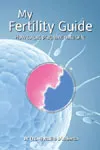
My Fertility Guide by Dr (TCM) Attilio D’Alberto is a comprehensive, evidence-based guide to natural conception, based on over 350 peer-reviewed research studies and 25 years of clinical experience. It blends cutting-edge science with the proven theories of traditional Chinese medicine to give you a complete, practical and easy-to-understand resource for improving your fertility.
The book covers the menstrual cycle and how to identify your fertile window, how to improve egg quality and sperm quality, optimising your diet, lifestyle and environment for conception, evidence-based supplements for both men and women, the most common fertility conditions including PCOS, endometriosis and low AMH, and the role of acupuncture and Chinese herbal medicine in improving fertility outcomes. Available in paperback, Kindle and ebook from Amazon, Waterstones and all major bookshops.
Once you conceive — My Pregnancy Guide by Dr (TCM) Attilio D’Alberto is the companion week-by-week guide to a healthy pregnancy and labour, combining evidence-based medicine with traditional Chinese medicine.
Treatment at my Wokingham clinic
I treat PCOS at my clinic at 49 Denmark Street, Wokingham, RG40 2AY. Fertility patients travel from across Berkshire — Reading, Bracknell, Twyford, Crowthorne, Sandhurst and the wider Thames Valley — for combined acupuncture and Chinese herbal medicine support, often alongside care at the Bridge Clinic, the Lister, the Chiltern Hospital, IVF Wales, the CARE Fertility centres or NHS fertility services at the Royal Berkshire Hospital. The clinic is a short walk from Wokingham town centre with on-street parking nearby and good rail links from Reading and Bracknell.
The initial 90-minute consultation reviews your full fertility history — previous investigations (hormones, AMH/FSH, semen analysis, HSG, laparoscopy), any current treatment cycle (Clomid, IUI, IVF), menstrual cycle pattern, sleep, stress and any other relevant medical history. Tongue and pulse diagnosis identifies the underlying TCM pattern. I work closely with your IVF consultant where you are in active treatment, with treatment paced around your stimulation, egg-retrieval and embryo-transfer dates.
Follow-up sessions are 60 minutes. The typical course is 3-6 months of weekly or twice-weekly sessions for cycle regularisation and ovulation support. Treatment is intensive around key cycle moments (ovulation, embryo transfer, early pregnancy) and lighter between. Online Chinese herbal medicine consultations are available throughout the UK for patients who cannot attend the clinic in person; for the acupuncture itself you do need to come to the Wokingham clinic. I am a member of the British Acupuncture Council (BAcC), the British Fertility Society (BFS) and the Register of Chinese Herbal Medicine (RCHM).
15. References
Gui et al. (1997) Experimental study of effect on tonifying kidney herbs in pituitary ovary adrenal gland of androgen sterilized rats. Chung Kuo Chung Hsi I Chieh Ho Tsa Chih, 17(12):735–8 (ISSN: 1003–5370).
Prefer to be treated from home? Chinese herbal medicine online consultations are available throughout the UK and worldwide. After a full video consultation, Dr (TCM) Attilio D'Alberto formulates a bespoke herbal prescription and posts your Chinese herbs directly to your door.
Related Chinese herbal formulas
Classical Chinese herbal formulas that may be clinically relevant for polycystic ovary syndrome (PCOS), depending on TCM pattern differentiation:
- Liang Di Tang — with Yin-deficient pattern (rare)
A practitioner selects from these based on the individual TCM pattern identified in consultation. Read more about Chinese herbal medicine or book an online herbal consultation.















