

Acupuncture for IVF and Embryo Transfer in Wokingham, Berkshire
On this page
- On the day of transfer or IUI
- The two-week wait
- Acupuncture in pregnancy
- Chinese herbal medicine
- My Fertility Guide
- References
1. What is IVF acupuncture?
Acupuncture is a well-established complementary therapy used by many patients alongside assisted reproduction. Whether you are going through a fresh IVF cycle, a frozen embryo transfer (FET) or a donor embryo transfer, acupuncture is often used during the preparation phase, during stimulation and around the embryo transfer itself.
I have supported many couples through IVF and embryo transfer cycles over the years, guiding them through the process every step of the way. Each person's situation is different, and I tailor my treatment accordingly — whether this is your first cycle, you have experienced repeated IVF failures, or you are using donor eggs or embryos.
Acupuncture during assisted reproduction is intended to work alongside — never to replace — what your fertility clinic does. It does not change clinical outcomes by itself and no individual result can be guaranteed; it is one part of a broader preparation strategy that includes diet, sleep, stress reduction and conventional medical care.
2. How acupuncture is thought to help
Published research suggests that acupuncture may support IVF and embryo transfer cycles in several ways. Acupuncture is used as a complementary therapy alongside conventional IVF; it does not replace what your fertility clinic does. The mechanisms described below are based on the published research literature:
- Uterine blood flow: Doppler studies have reported reductions in uterine artery resistance and improvements in endometrial perfusion in acupuncture-treated patients, which may help support a receptive endometrial lining.
- Uterine contractions on transfer day: Studies have reported that acupuncture given around embryo transfer may reduce uterine contraction frequency in the period after transfer.
- Endometrial receptivity: The combination of improved blood flow and reduced uterine activity is thought to support more favourable conditions for implantation.
- Hormonal regulation: Acupuncture appears to influence the HPO axis and stress-related hormones, which may help support the body's response during a stimulated cycle.
- Stress and anxiety: Acupuncture is widely used as a complementary therapy for stress reduction during IVF. Randomised data (Magarelli et al. 2009) report associated changes in cortisol and prolactin during controlled ovarian stimulation.
- Egg quality: Egg maturation takes around 90 days. Acupuncture, alongside diet, sleep and stress reduction, is used during this preparation window as part of a TCM approach to supporting follicular development.
Acupuncture is a complementary therapy. It is not a substitute for IVF, and no individual outcome can be guaranteed. Always discuss complementary care with your fertility clinic.
3. Preparing your body — when to start
Regardless of whether you are planning a fresh IVF cycle, a frozen embryo transfer or a donor embryo transfer, I strongly recommend beginning acupuncture at least three months before your procedure. This is because it takes approximately three months for eggs to mature before ovulation, so treatment during this period can directly influence the quality of the eggs used in a fresh IVF cycle and the receptivity of the uterus for any type of transfer.
Published research suggests that combining acupuncture and Chinese herbal preparation in the three months before an IVF or transfer cycle may be associated with improved pregnancy rates compared with IVF alone in the trials studied. Some couples also conceive naturally during this preparation period.
Some studies suggest that a higher number of acupuncture sessions before embryo transfer is associated with better outcomes than peri-transfer acupuncture alone. Most fertility clinics do not routinely advise patients on this preparation window, which is why I encourage patients to plan ahead.
4. Acupuncture for men
Male factors are equally important in any IVF or transfer cycle. Published studies (Pei et al. 2005; Dieterle et al. 2009) suggest acupuncture may be associated with improvements in sperm count, motility and morphology. I recommend that men begin acupuncture alongside their partner during the three-month preparation phase.
4. Treatment frequency during IVF
During a long IVF cycle, it's recommended to have acupuncture weekly whilst downregulating until you start the stimulating drugs. It's then important to have acupuncture treatment twice a week during follicle stimulation when the eggs are growing. In a short IVF cycle, you should have acupuncture treatment twice a week when you start the ovary stimulating drugs.
On the day of the embryo transfer, when the fertilised embryo is transferred back into the woman, research has shown its ideal to have acupuncture treatment directly before and after the transfer. That often means twice in one day, or late the previous night if the IVF clinic has booked the embryo transfer first thing in the morning.
5. Treatment schedules
The optimal treatment schedule varies depending on the type of cycle. Below is guidance for each pathway.
Fresh IVF cycle
A fresh IVF cycle involves stimulating the ovaries to produce multiple eggs, retrieving the eggs, fertilising them in the laboratory and transferring the resulting embryo into the uterus — all within a single cycle.
Recommended schedule:
- Long protocol (downregulation): Once downregulation begins, have acupuncture weekly until you start the stimulating drugs. This helps the body tolerate the downregulation process and prepares the uterine lining.
- Stimulation phase: Increase to twice weekly during follicle stimulation, when the eggs are actively growing. This is a critical window for supporting follicle development and uterine blood flow.
- Day of egg collection: A session around the time of egg collection can help the body recover and prepare for the transfer phase.
- Transfer phase: Sessions before and after the embryo transfer (see section 6 below).
- Two-week wait: At least two sessions during the wait (see section 7 below).
Short protocol: Begin acupuncture twice weekly as soon as you start the ovary-stimulating drugs, and continue through to the transfer and two-week wait as above.
Frozen embryo transfer (FET)
A frozen embryo transfer uses embryos created and frozen during a previous IVF cycle, which are thawed and transferred in a subsequent, simpler cycle. FET cycles generally involve fewer drugs than fresh IVF, though the uterus still needs to be carefully prepared with the right endometrial thickness and receptivity.
Recommended schedule:
- Begin acupuncture weekly as soon as you know your transfer date, aiming for at least nine sessions before the transfer.
- Continue weekly through the uterine lining preparation phase, focusing on building endometrial blood flow and thickness.
- Transfer day sessions (see section 6).
- Two-week wait sessions (see section 7).
Donor embryo transfer
A donor embryo transfer uses an embryo created from a donor egg (and sometimes donor sperm). Because the embryo is genetically unrelated to the recipient, the immune system and the uterine environment play an especially important role in acceptance and implantation. Acupuncture can support the body's receptivity and help modulate the immune response during this type of transfer.
Recommended schedule:
- Begin acupuncture weekly as soon as possible, aiming for at least nine sessions before the transfer date.
- Continue weekly through the preparation phase, with particular focus on uterine lining development and immune system regulation.
- Transfer day sessions (see section 6).
- Two-week wait sessions (see section 7).
Intrauterine insemination (IUI)
Intrauterine insemination (IUI) is a fertility treatment in which specially prepared sperm is placed directly into the uterus around the time of ovulation, bypassing the cervix and giving sperm a shorter route to the egg. It is less invasive and less expensive than IVF and is often the first active fertility intervention recommended — particularly for unexplained infertility, mild male factor, cervical mucus problems, ovulatory dysfunction or those using donor sperm.
IUI can be performed in a natural cycle or a mildly stimulated cycle using Clomifene (Clomid) or low-dose FSH injections to encourage the development of one or two follicles. Success rates are approximately 10–20% per cycle in women under 35, declining with age. Most clinics recommend three to six IUI cycles before considering IVF.
Acupuncture supports IUI in several important ways:
- Uterine blood flow: Improving circulation to the uterus builds a thick, receptive endometrial lining ready for implantation.
- Cervical mucus quality: In TCM, cervical mucus is a Yin fluid dependent on Kidney Yin and Blood. Acupuncture and herbal treatment nourishing these systems can improve the quality and quantity of fertile cervical mucus.
- Ovulation regulation: Acupuncture supports more consistent, timely ovulation by regulating the hypothalamic–pituitary–ovarian axis — particularly useful in stimulated IUI cycles where precise co-ordination is needed.
- Stress and anxiety reduction: Elevated cortisol negatively affects reproductive hormone levels, ovulation and implantation. Acupuncture calms the nervous system and significantly reduces the emotional burden of treatment.
- Sperm quality: Treating the male partner alongside his partner improves sperm count, motility and morphology, enhancing the quality of the sample used for insemination.
Recommended schedule for IUI:
- Three-month preparation: Begin acupuncture at least three months before your IUI cycle to support follicle development, egg quality and uterine lining. This timeline also covers the full sperm maturation cycle (approximately 72–74 days), allowing meaningful improvement in male fertility parameters.
- During the IUI cycle: One or two sessions during the follicular phase to support follicle development, endometrial blood flow and cervical mucus quality. Increase to twice weekly during a stimulated cycle when follicles are actively growing.
- Day of IUI: A session in the one to two hours before the procedure relaxes the uterus, maximises uterine blood flow and calms the nervous system at the critical moment of insemination.
- Two-week wait: At least two sessions to support implantation, maintain the hormonal environment and manage anxiety (see section 7 below).
Chinese herbal medicine can powerfully complement acupuncture during the three-month preparation phase for IUI, nourishing the uterine lining, improving cervical mucus, regulating the cycle and tonifying Kidney energy. Herbs are generally discontinued once any stimulation medication begins, to avoid potential interactions with pharmaceutical hormonal treatment. If you would like to discuss how I can support your IUI journey, please get in touch to book a consultation.
6. On the day of transfer
Research consistently shows that having acupuncture before and after the embryo transfer significantly improves success rates. The pre-transfer session helps relax the uterus, reduce contractions and calm the nervous system. The post-transfer session further relaxes the uterus, reduces anxiety and supports the early implantation process.
This means having two sessions on the day of transfer — one before and one after the procedure. If the clinic has scheduled the transfer for very early in the morning, I can arrange a session the evening before in place of the pre-transfer session.
Please contact me as soon as you know your transfer date so we can plan accordingly. For what to do in the days after transfer, read my guide to what to do after embryo transfer.
7. The two-week wait
The two-week wait — the period between the embryo transfer and the pregnancy test — is one of the most emotionally challenging parts of any fertility journey. I recommend having at least two acupuncture sessions during this period.
These sessions serve several purposes. Acupuncture continues to support blood flow to the uterus and the developing embryo, helps maintain the hormonal environment needed for implantation and early pregnancy, and addresses the anxiety and emotional strain that the wait inevitably brings. Many patients find these sessions among the most valuable of the entire cycle, both physically and emotionally.
8. Acupuncture in pregnancy
If you become pregnant following IVF, frozen embryo transfer or donor embryo transfer, I recommend continuing acupuncture throughout early pregnancy. The minimum I advise is treatment until at least 20 weeks, and ideally throughout the whole pregnancy.
This is particularly important if:
- You have experienced repeated miscarriages in the past
- You have a low AMH level
- You have used a donor embryo or donor eggs
- You are over 40 years old
- You have experienced repeated IVF failures before this pregnancy
In these cases, the woman's body will often be more depleted, and the pregnancy is particularly precious. Continuing acupuncture helps maintain a stable hormonal environment, reduces the risk of miscarriage, supports the developing pregnancy and gives the mother the best possible start.
Treatment can then be restarted at 35 weeks to help prepare the body for labour — what is known as prebirth acupuncture, which prepares the cervix and positions the baby optimally for birth.
For more information, see my page on pregnancy acupuncture.
9. Chinese herbal medicine
Chinese herbal medicine works powerfully alongside acupuncture during IVF and embryo transfer preparation. A personalised herbal formula, taken daily during the three-month preparation phase, can nourish the uterine lining, support egg quality, regulate the menstrual cycle and tonify the kidney energy that underpins reproductive health in traditional Chinese medicine.
It is important to note that Chinese herbs are generally discontinued once the IVF stimulation drugs begin, as this is when the clinic takes over the hormonal management of the cycle. Herbs may then be reintroduced during the two-week wait or early pregnancy where appropriate, and only with careful consideration of the individual situation.
I am a member of the British Acupuncture Council and the Register of Chinese Herbal Medicine (RCHM), and I have extensive experience supporting patients through all types of assisted reproduction. If you would like to discuss your situation and how I can support you, please get in touch to book a consultation.
Watch my animated video below which explains how IVF acupuncture treatment can help increase the success rates of you having a baby.
10. My Fertility Guide
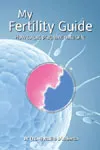
My Fertility Guide by Dr (TCM) Attilio D’Alberto is a comprehensive, evidence-based guide to natural conception, based on over 350 peer-reviewed research studies and 25 years of clinical experience. It blends cutting-edge science with the proven theories of traditional Chinese medicine to give you a complete, practical and easy-to-understand resource for improving your fertility.
The book covers the menstrual cycle and how to identify your fertile window, how to improve egg quality and sperm quality, optimising your diet, lifestyle and environment for conception, evidence-based supplements for both men and women, the most common fertility conditions including PCOS, endometriosis and low AMH, and the role of acupuncture and Chinese herbal medicine in improving fertility outcomes. Available in paperback, Kindle and ebook from Amazon, Waterstones and all major bookshops.
Once you conceive — My Pregnancy Guide by Dr (TCM) Attilio D’Alberto is the companion week-by-week guide to a healthy pregnancy and labour, combining evidence-based medicine with traditional Chinese medicine.
11. References
Paulus, W.E., et al. (2002). Influence of acupuncture on the pregnancy rate in patients who undergo assisted reproduction therapy. Fertility and Sterility, 77(4), 721–724. doi: 10.1016/S0015-0282(01)03273-3
Manheimer, E., et al. (2008). Effects of acupuncture on rates of pregnancy and live birth among women undergoing in vitro fertilisation: systematic review and meta-analysis. BMJ, 336(7643), 545–549. doi: 10.1136/bmj.39471.430451.BE
Smith, C.A., et al. (2006). Acupuncture to induce labor: a randomized controlled trial. Acupuncture and Electro-Therapeutics Research, 31(1–2), 1–18.
Stener-Victorin, E., et al. (1996). Reduction of blood flow impedance in the uterine arteries of infertile women with electro-acupuncture. Human Reproduction, 11(6), 1314–1317. doi: 10.1093/oxfordjournals.humrep.a019378
Balk, J., et al. (2010). The relationship between perceived stress, acupuncture and pregnancy rates among IVF patients: a pilot study. Complementary Therapies in Clinical Practice, 16(3), 154–157. doi: 10.1016/j.ctcp.2009.11.004















