

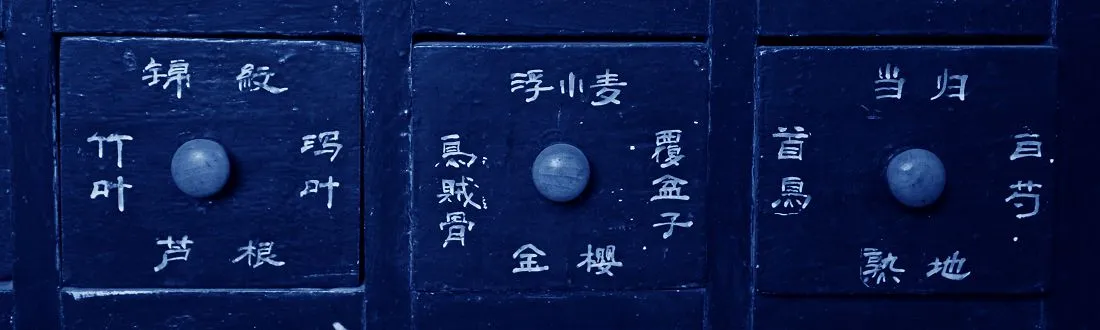
Bái Zhǐ (白芷) — Angelica dahurica Root
On this page
- Overview
- Properties
- Actions and indications
- Key formulas
- Incompatibilities
- Cautions
- Treatment at my clinic
- Frequently asked questions
1. Overview
Bái Zhǐ (白芷) — Angelica dahurica root — is one of the most useful warm acrid herbs in Chinese practice. It releases the exterior in Wind-Cold patterns, opens the nasal passages and clears the head, and is particularly valued for treating pain in the head and face. It is the herb of choice for frontal headache, sinus headache, sinusitis and toothache, mapping onto the path of the Yangming channel which runs over the forehead and face.
2. Properties
| Pinyin name | Bái Zhǐ |
|---|---|
| Chinese characters | 白芷 |
| Latin name | Angelica dahurica |
| English name | Angelica dahurica root |
| Nature | Warm |
| Flavour | Acrid |
| Channels entered | Lung, Stomach, Large Intestine |
| Category | Warm-acrid herbs that release the Exterior |
3. Actions and indications
Principal actions
- Releases the exterior, expels Wind, alleviates pain
- Opens the nasal passages
- Reduces swelling, expels pus
- Dries Damp and stops vaginal discharge
Indications
- Wind-Cold exterior with frontal headache, nasal congestion, body aches
- Yangming headache — frontal headache, supraorbital pain
- Sinus headache, acute or chronic sinusitis
- Toothache from Wind-Heat or Stomach Fire
- Sores and abscesses (early stage to disperse, later stage to expel pus)
- Damp leucorrhoea
4. Key formulas containing Bái Zhǐ
- Chuan Xiong Cha Tiao San — headache from Wind invasion
- Xin Yi San — sinusitis and nasal congestion
- Cang Er Zi San — nasal congestion and rhinitis
- Xian Fang Huo Ming Yin — early-stage skin abscess
5. Incompatibilities
Bái Zhǐ (白芷) Angelica dahurica Root is not listed in either of the two classical incompatibility texts — Shi Ba Fan (Eighteen Antagonisms) or Shi Jiu Wei (Nineteen Mutual Inhibitions). As with every Chinese herb it should be prescribed only as part of a balanced formula by a registered Chinese herbalist (RCHM), who will check for interactions with any other herbs and prescription medications you are taking.
6. Cautions
Avoid in Yin deficiency with Heat and in Blood deficiency. Contains furanocoumarins — theoretical phototoxicity at high doses; usually irrelevant at clinical doses. Always consult a qualified Chinese herbalist registered with the RCHM.
Pattern contraindications
Contraindicated in Yin and Blood deficiency, spontaneous sweating, and Heat patterns. Short courses only — designed to release surface invasion, not for long-term use.
Modern drug interactions
Diaphoretic Wind-Cold-releasing herbs can interact with sympathomimetics, MAOIs, decongestants, antihypertensives and stimulants. Ma Huang (Ephedra) is largely banned in the UK and Europe for this reason; safer alternatives (Gui Zhi, Zi Su Ye) have only mild interactions but should still be reviewed if you take prescription medication.
7. Treatment at my clinic
I prescribe Bai Zhi within tailored formulas for sinusitis, frontal and sinus headaches, and migraines with Yangming localisation. I see patients at my clinic in my UK-wide online practice. Online consultations are available.
Return to the Chinese herb directory.
8. Frequently asked questions
What is Bai Zhi used for?
Bai Zhi (Angelica dahurica) is a warm, aromatic herb best known for relieving frontal headache and sinus pain and for opening a blocked, congested nose. It is traditionally used for Wind-Cold headaches, sinusitis and rhinitis, toothache, and for discharging skin sores, and it helps dry damp nasal discharge.
What are the benefits of Bai Zhi for sinuses and headaches?
Its acrid, opening quality makes it one of the main herbs for pain and congestion across the forehead, brow and cheeks — the sinus and yangming-channel region — which is why it features in classical nose-opening and headache formulas, taken within a matched prescription.
How is Bai Zhi taken?
Typically 3–9g in decoction, combined with other herbs. It is aromatic, so it is not cooked for too long. A practitioner selects the partner herbs based on whether the pattern is Wind-Cold, damp or with heat.
Are there any cautions with Bai Zhi?
Being warm and drying, it is used cautiously where there is Yin deficiency or clear Heat signs, and it is kept to appropriate doses. As with all Chinese herbs, it should be prescribed by a qualified herbalist as part of a balanced formula.
Prefer to be treated from home? Chinese herbal medicine online consultations are available throughout the UK and worldwide. After a full video consultation, Dr (TCM) Attilio D'Alberto formulates a bespoke herbal prescription and posts your Chinese herbs directly to your door.















